Arriving at each new city, the traveller finds again a past of his that he did not know he had: the foreignness of what you no longer are or no longer possess lies in wait for you in foreign, unpossessed places.
― Italo Calvino, Invisible Cities
Welcome to my personal space on the web – a place for sharing reflections, information on my research,, and attempting occasional detours into other enduring interests.

I was born and grew up in Athens, Greece, during the years that in history books are described as marked by political upheaval and, eventually, a military dictatorship. Yet when I think back to my childhood, my earliest memories are of family. I was fortunate to grow up in the midst of a tightly knit extended family whose members formed part of the fabric of everyday life. Grandparents, aunts, uncles, cousins, family friends, and neighbours moved constantly in and out of one another’s homes. There was hardly a day when we did not visit relatives, receive visitors, or gather around a table for a meal, a celebration, or simply a conversation. Looking back, what strikes me most is the density of those relationships and the sense of belonging they created. Home was never confined to a single household; it extended across a network of people whose lives were deeply intertwined with our own. It was a vibrant world. Afternoons were spent moving between the homes of grandparents, cousins, and friends. Family celebrations seemed endless, and ordinary evenings could easily turn into impromptu gatherings that stretched late into the night. Stories, arguments, laughter, food, music, coffee and wine accompanied these occasions. As a child, I took this world for granted. Only later did I realise how much it had shaped my understanding of community, solidarity, and the importance of human relationships.
Against this backdrop, the dictatorship initially appeared less as a political regime than as part of the ordinary landscape of life. The overwhelming presence of uniformed men, their dark sunglasses and rigid postures betraying a discomfort even in the public ceremonies they were meant to dominate, seemed entirely normal to me. So too did the soundscape saturated with military marches, or the fact that one of the country’s two television channels was called the Armed Forces Information Service. What I could not yet grasp was that domination is often most effective when it ceases to appear exceptional. The dictatorship’s symbols, rituals, and militarized presence did not strike me as unusual because they constituted the horizon of the world into which I had been born.
Something that I would only much later come to see as a formative influence in my life – the politics of the time – was interwoven with the ordinary fabric of childhood memories. I remember walking with my mother to meet my grandfather at the café in the beautiful glass-roofed Stoa Orfeos in central Athens (a regular weekly occasion that meant we were going to pass through my favourite toyshop, and the famous Kokkonis store whose windows were adorned with colourful flags and camping equipment), visits to the funfair, and long afternoons spent playing with my brother, cousins and friends. These recollections sit alongside other, more unusual, yet at the time also mundane images: the sight of army tanks rolling through the streets of Athens and gathering at one of the city’s main traffic hubs directly across from my family home, or the almost crimson face of a frightened soldier tasked with preventing my father and me from crossing a street adjacent to a trolley-bus depot that had been taken over by the military. I could not have understood it then, but that fleeting image remained with me. Looking back, I realise that I was witnessing fear in both the soldier and my father, however hard each tried to conceal it. Perhaps these memories endured precisely because they were woven so seamlessly into what otherwise felt like an ordinary childhood.
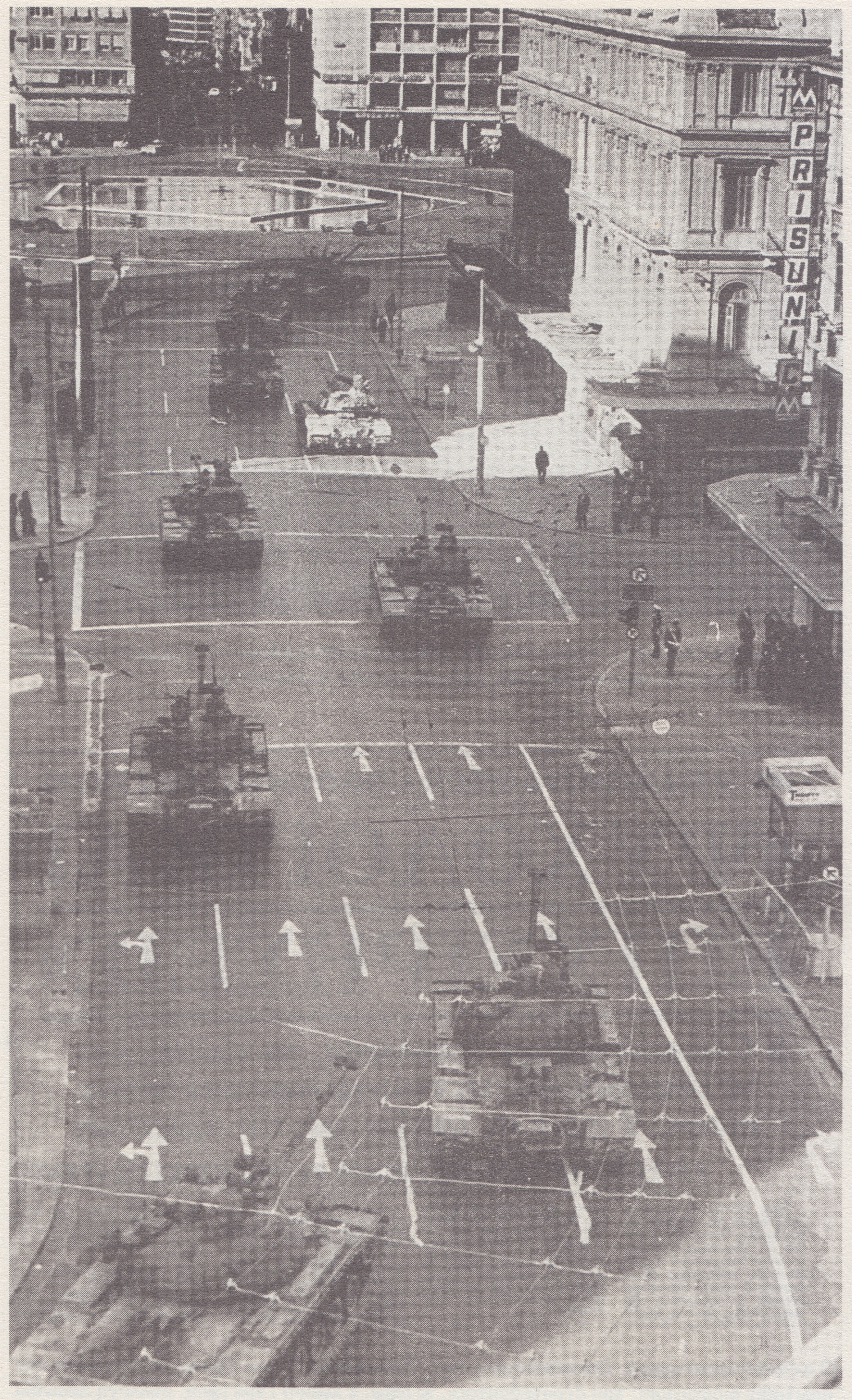
Other memories acquired significance only later: the concern my parents tried carefully not to reveal on the occasions when the army was again deployed in the streets; the excitement with which we listened, almost clandestinely, to the radio broadcasts of the students occupying the Athens Polytechnic during their revolt against the regime. By then, I had begun to understand something of the reasons for the uprising and to sense the profound bankruptcy of the dictatorship itself. A year later, the overthrow of the original coup leaders by more hardline officers, an internal power struggle that dragged Cyprus into catastrophe and brought Greece and Turkey to the brink of war, and the upsetting news that my uncle and godfather, an army colonel serving in Cyprus, was missing in action made it obvious even to a ten-year-old that change was in the air.
I shared the feeling of a sea change that accompanied the collapse of the dictatorship and the restoration of democracy, despite the fact that I had never truly experienced democracy before. Yet my understanding of those years did not emerge all at once. It evolved gradually through conversations, family stories, reading, and later through my own attempts to understand how societies respond to authority, insecurity, and promises of collective renewal. As a teenager, I viewed the dictatorship simply as a world of uniforms, parades, censorship, and unquestioned authority. Much later, I came to appreciate that this was only part of the story. The older people around me often remembered those years differently. My grandparents’ generation measured them against war, occupation, famine, and civil conflict. My parents’ generation remembered a period in which life, for many people, appeared to become more stable and materially secure. Apartment buildings transformed Athens, small businesses prospered, families acquired homes through antiparochi arrangements, and opportunities expanded for sections of society that had previously known far greater insecurity.
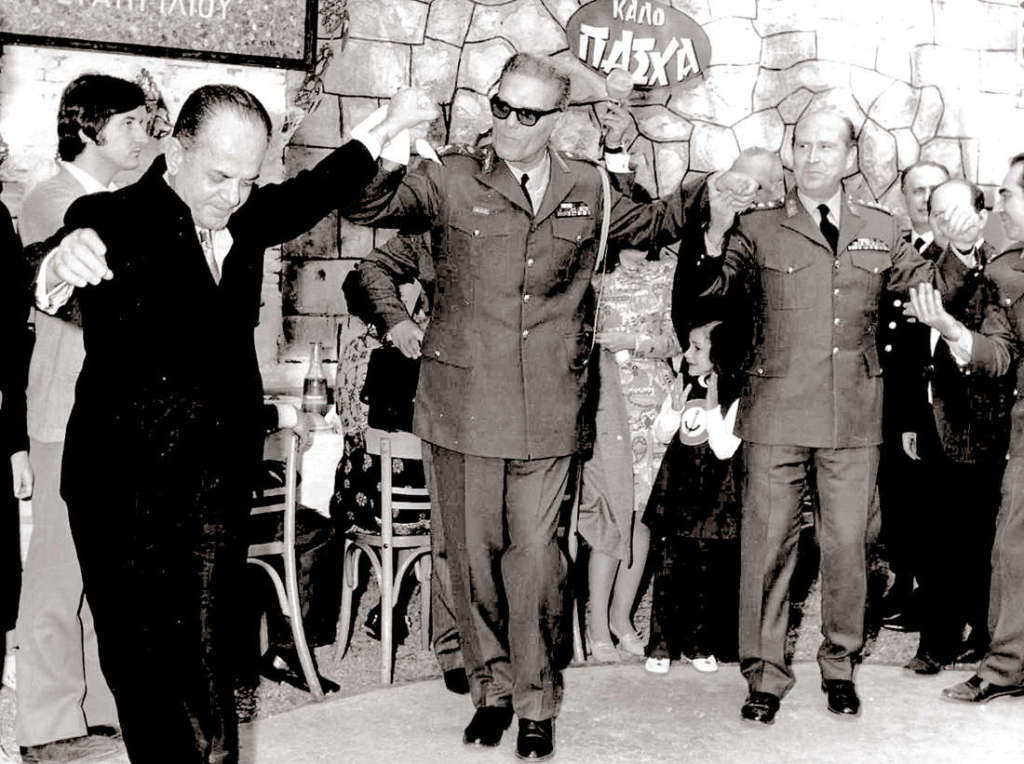
Looking back, I can see that the regime sought to identify itself with these transformations. The colonels liked to present themselves as ordinary men rather than members of the traditional political establishment. They spoke the language of patriotism, order, and common sense, portraying themselves as defenders of the nation against corrupt politicians and ideological extremists. I remember seeing photographs of them awkwardly dancing folk dances, eager to demonstrate both their humble origins and their closeness to “ordinary people.” At the time such images seemed faintly ridiculous (maybe because a rich diet of folk dance programmes on television had made me almost allergic to them). Later, they struck me as revealing.
They suggested that even authoritarian regimes seek legitimacy not only through coercion but also through claims of authenticity, popular virtue, and proximity to “the people.” Incidentally, this, in general, is something that has shaped a lot of my thinking in my work to date, while the particular claims of the Greek colonels of the time, specifically, are one of the key questions I am working on at the time of writing this note as part of an ongoing book project. This, with hindsight may partly explain my vivid recollections of that period and my decision to mention the dictatorship in some length in this “biographical” section of my website.
None of this altered my view of the dictatorship as an oppressive regime. It did, however, help me understand something that would later become central to my academic interests: political domination rarely rests on force alone. It also depends on its ability to attach itself to hopes, aspirations, and anxieties that already exist within society. The more I reflected on those years, the more I realised how thoroughly the dictatorship’s assumptions had been woven into everyday life, extending far beyond the regime itself and surviving its collapse. Some of the teachers I encountered in school, for example, carried forward forms of authority that felt entirely familiar. It is perhaps for this reason that I later developed such a deep aversion to militarism, enforced conformity, and political projects that promise redemption through unity while demanding silence in return.
My brother, Alexandros, was born five years after me, and although our age difference meant that our childhoods unfolded in somewhat different political circumstances, we shared many of the same formative experiences. Our parents invested heavily, both emotionally and materially, in our formal and informal education, seeing it as the most valuable inheritance they could offer us.
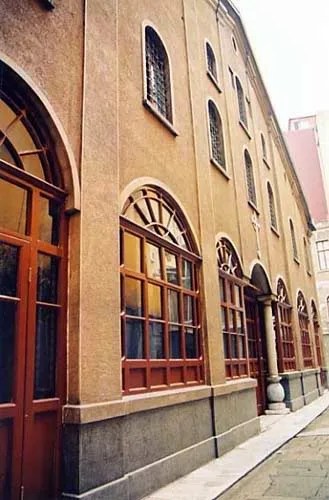
But leaving the dictatorship aside for a moment, I want to rewind this account and turn to a more personal trajectory. I would start with my grandparents. My paternal grandfather, Spyros, came from a family of Athenian marble workers who, over time, earned a reputation not only as skilled cutters and installers of marble but also as accomplished artisans whose marble mosaic work can still be found throughout Greece and in the western regions of the former Ottoman Empire. Born in Constantinople – Poli, as he always called it – in around 1910, in the Greek Orthodox parish of the Virgin Mary of Stavrodromion in Pera (today’s Beyoğlu, İstanbul), he inherited from his father the craft of creating ornamental mosaics, carved marble fountains, and decorative lintels that continue to adorn churches and monasteries across Greece and parts of Turkey. After moving with his father and sister to Thessaloniki as a young boy, he returned to Athens where, after the death of his father, he established his own marble-cutting and installation business which, in his hands, expanded steadily and became known simply as “the factory.” Like many others of his generation, he also benefited from the post-war construction boom that transformed Athens, building apartment blocks through the antiparochi system.
Although he had left primary school at an early age in order to work alongside his father and later support himself and his sister, he never abandoned learning. He taught himself to read and write fluently, acquired a strong command of arithmetic, and became an avid reader. Books, newspapers, and conversations about history and politics were constant presences in his life. And, after he passed away, we found the meticulous notes he had made in the page margins of countless books he had read painstakingly, almost secretly. He was a hard worker – I remember when my father and I would visit “the factory” at the time of closing for the day, he was in no hurry. He would look at me and he would say: “the shopkeeper should be lame, he should be the last one to leave at night; he should not hurry to lock the door” as he would look around, put the key in his pocket, and joined us.
As a child, I was struck by the contrast between his rough, calloused hands – hands shaped by decades of physical labour – and the care with which he discussed a book, a newspaper article, or an historical event. Long before I entered a university classroom, he taught me, without ever intending to, that intellectual curiosity did not belong exclusively to scholars or professionals. His considerable material success never altered his habits. He remained an austere and deeply self-disciplined man.
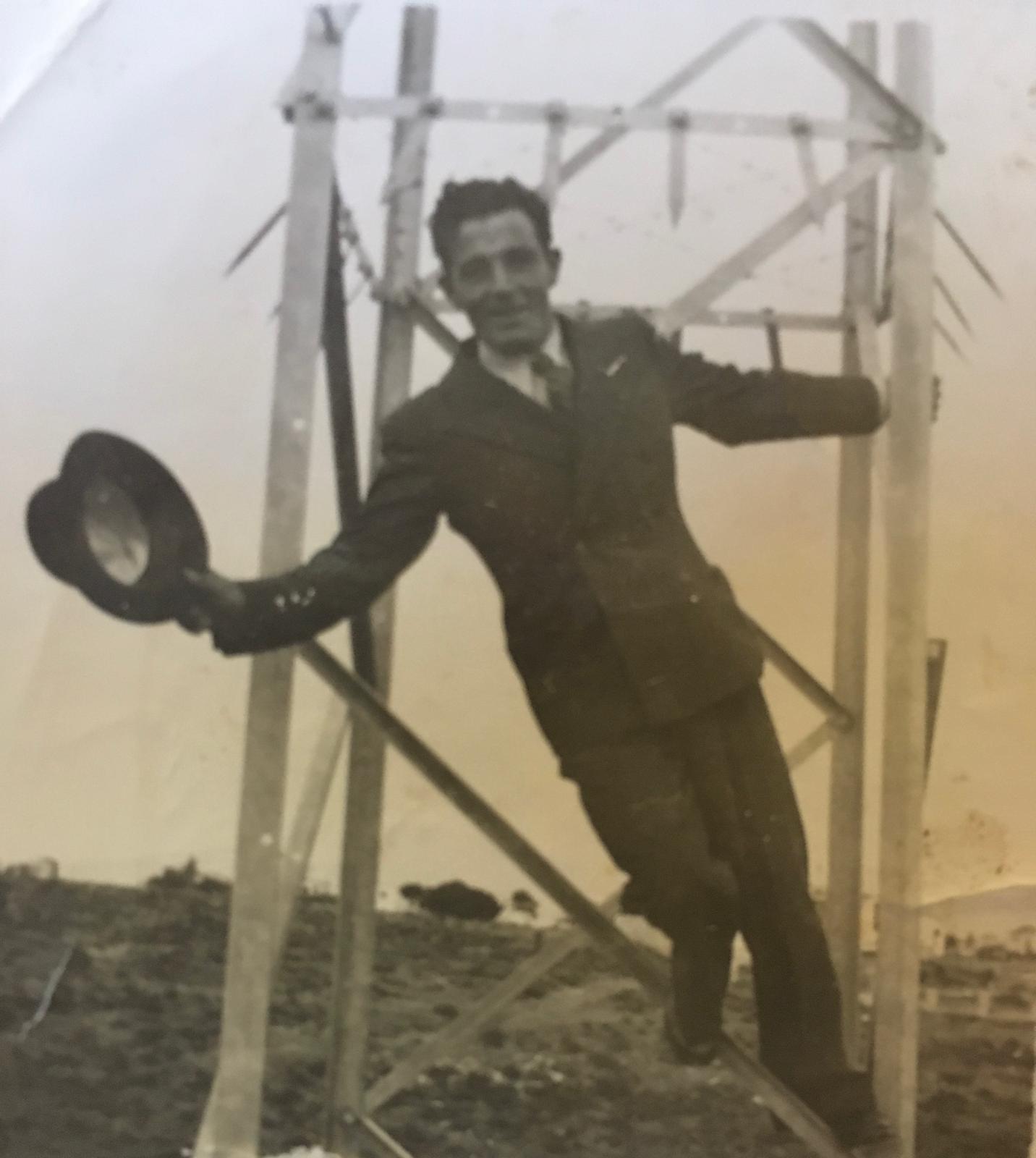
He disliked displays of wealth, avoided extravagance, and measured people less by what they possessed than by how they conducted themselves. Hard work, reliability, modesty, and self-respect were qualities he valued above all else. I admired him and was slightly intimidated by him in equal measure. He was not a demonstrative man. Affection was rarely expressed through words. Instead, it appeared in gestures, expectations, and examples. He expected those around him to work hard, keep their word, and take pride in doing things properly. Yet beneath the reserve there was great warmth and generosity. Looking back, I realise that many of the values I continue to admire – curiosity, self-discipline, modesty, and respect for knowledge acquired through effort and hard work – owed a great deal to his example.
For us, his grandchildren, the most memorable occasions were the rare moments when, after much pleading, he agreed to speak about the war. He had fought against fascist Italy in Albania and lived through the Axis occupation of Greece. Following Greece’s capitulation, he returned to an Athens devastated by famine, where daily life became a struggle to find enough food to keep his young family alive and enough fuel to survive the bitterly cold winters. His stories were never glorious tales. In keeping with his modesty and hard life experience, they revolved around fear, hardship, and loss: swarms of lice feeding on the blood of under-equipped soldiers in the mountains of southern Albania, the bitter cold, the anxiety of combat, the dangers of daily life under occupation, and the lingering trauma of the civil war that followed. When he spoke about these experiences, he would occasionally break down and cry. As a child, I found this bewildering. The man I knew seemed indestructible. Only much later did I begin to understand the weight of memory that many members of his generation carried throughout their lives. His stories taught me that courage and vulnerability are not opposites and that history leaves traces long after events themselves have passed.
His own family reflected the divisions that ran through Greek society. His sister’s husband held a prominent position in the Communist Party of Greece and in the anti-Axis National Liberation Front (EAM). After the liberation of Athens, as my grandfather began rebuilding his business, he recounted how his life was threatened by communist guerrillas and how he was ultimately spared through the intervention of this same brother-in-law. My communist great uncle, of whom I had heard exciting stories from my father and his siblings, was a man broken by the defeat of his party in the civil war. The few times I met him, he was polite, cautiously affectionate and mostly withdrawn. He would not come across as the widely travelled man, the person that had been at the epicentre of so many fateful decisions and events. His non-political wife – my grandfather’s sister was a quiet, loving woman that had endured the torture of persecution next to the man she loved, who came back from exile almost unrecognisable, having lost the spark hiding in his eyes and the fire in his soul that used to motivate him. Long before I encountered history in books, I encountered it in people. My grandfather, just as his sister and brother in law carried within them worlds that had disappeared, losses that could not quite be articulated, and memories that surfaced unexpectedly in conversation. It would take me many years to understand how much of my curiosity about the past began there.
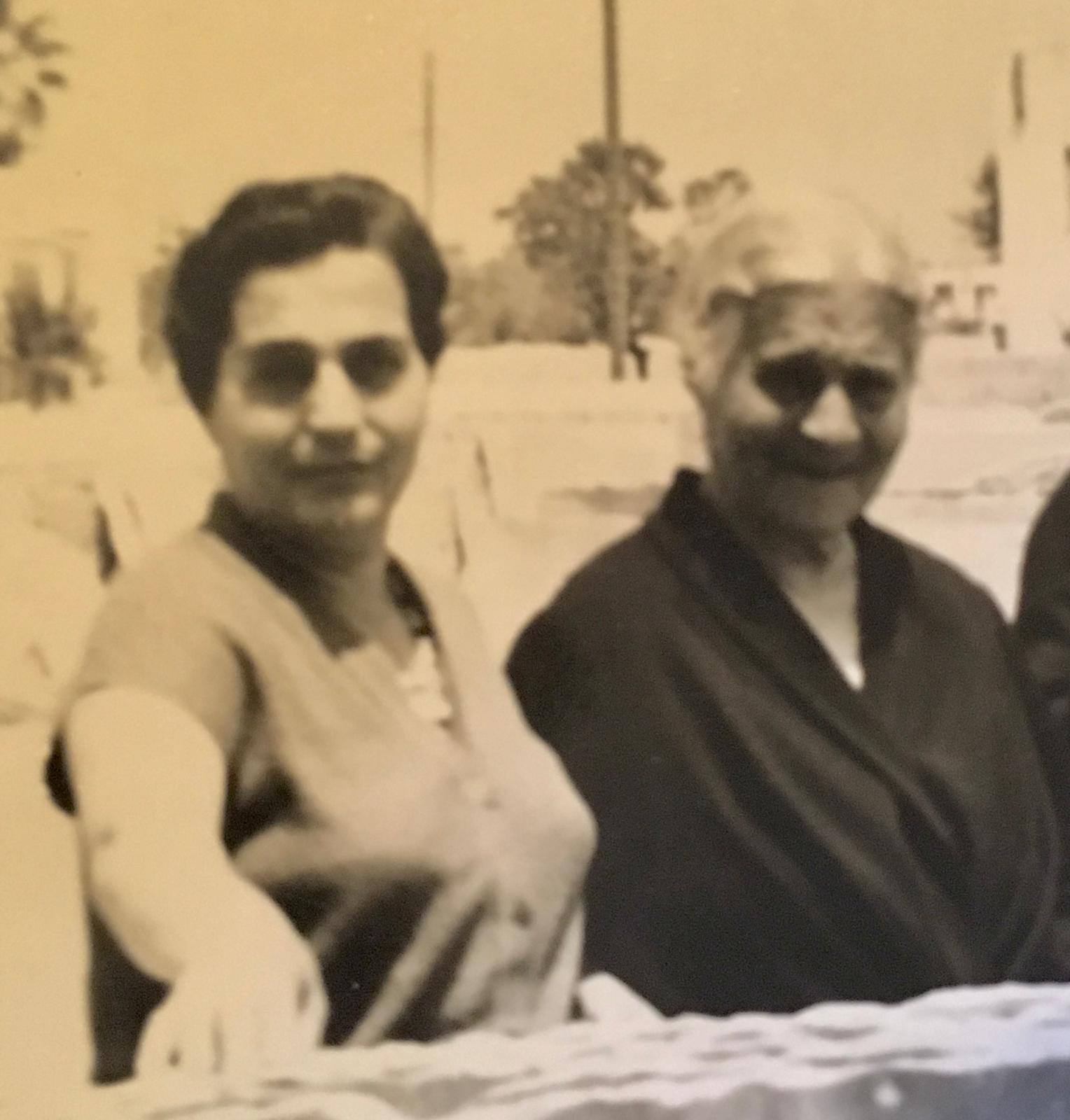
My grandmother, Eleftheria, hailed from the town of Ayvali (Ayvalık, on what is now the western coast of Turkey) and arrived in Athens with her mother, my great-grandmother Persephone, as refugees in the final stages of the Greek-Turkish War. Having experienced the struggle of her mother to provide a home for them in the midst of their uprooting, and having been indelibly marked by the loss of her father during the upheavals of war, she treasured the family she later built with my grandfather and worked tirelessly to provide her children with the security, affection, and educational opportunities that had been denied to her own generation.
The memory of displacement remained with her throughout her life, but so too did a remarkable resilience and an unwavering determination to create a stable and nurturing home. For me, Ayvali existed long before I ever saw it. It belonged to the geography of stories rather than maps. Through my grandmother’s recollections, it became a place of gardens, courtyards, sea breezes, neighbours, celebrations, and everyday rituals whose details grew richer with each retelling. Like many childhood landscapes, it possessed the quality of a fairy tale: at once vivid and unattainable.
As I grew older, however, I began to recognise another Ayvali beneath the enchanted one. Sometimes, while recounting a memory, my grandmother’s voice would falter. At other moments, a familiar story would end in tears. What I had initially understood as nostalgia gradually revealed itself as something deeper: the persistence of a loss that had never entirely healed. The town she remembered was not merely a place left behind. It was a world whose disappearance continued to shape her life decades after her arrival in Greece. I encountered Ayvali not only through stories but also through sounds, smells, and tastes. The lullabies she sang when I was little, the recipes she carried with her across the Aegean, and the distinctive flavours of her kitchen all seemed to belong to a world slightly different from the one outside our door. I still remember her extraordinarily fragrant biscuits, her soups animated by herbs and spices that were then unfamiliar to most Greek households, and her fiery soutzoukakia, whose intensity often exceeded my youthful tolerance. Long before I became interested in questions of memory, identity, and displacement, I was already encountering them around her table.
Looking back, I realise that my grandmother carried Ayvali within her in much the same way that my grandfather carried Constantinople and Thessaloniki where he grew up as a young boy. Neither place existed for me as a political issue or historical question. They existed as presences within family life – sometimes joyful, sometimes melancholic, always unfinished although at the time I could not fully fathom why returning to them was impossible or difficult. Through them, I learned that places do not disappear when people leave them. They often survive in stories, habits, recipes, songs, and silences, travelling across generations long after the original landscapes have been transformed.
My maternal grandfather, Alekos, who I was very fond of, was a lawyer and later a judge. Reserved, dignified, and deeply self-controlled, albeit very expressive in his love for his family including his grandchildren, he belonged to a very different world from my paternal grandfather, though both had been shaped by many of the same historical upheavals. If my grandfather Spyros embodied the world of craftsmen and entrepreneurs, Alekos represented that of education, public service, and the state. Like many men of his generation, he had been marked by war. As a young reserve officer, he participated in the Asia Minor campaign against the Turkish Nationalist movement and during WWII he fought in Albania against the Italian army. Politically conservative throughout his life, he nevertheless spoke about war in surprisingly unheroic terms.
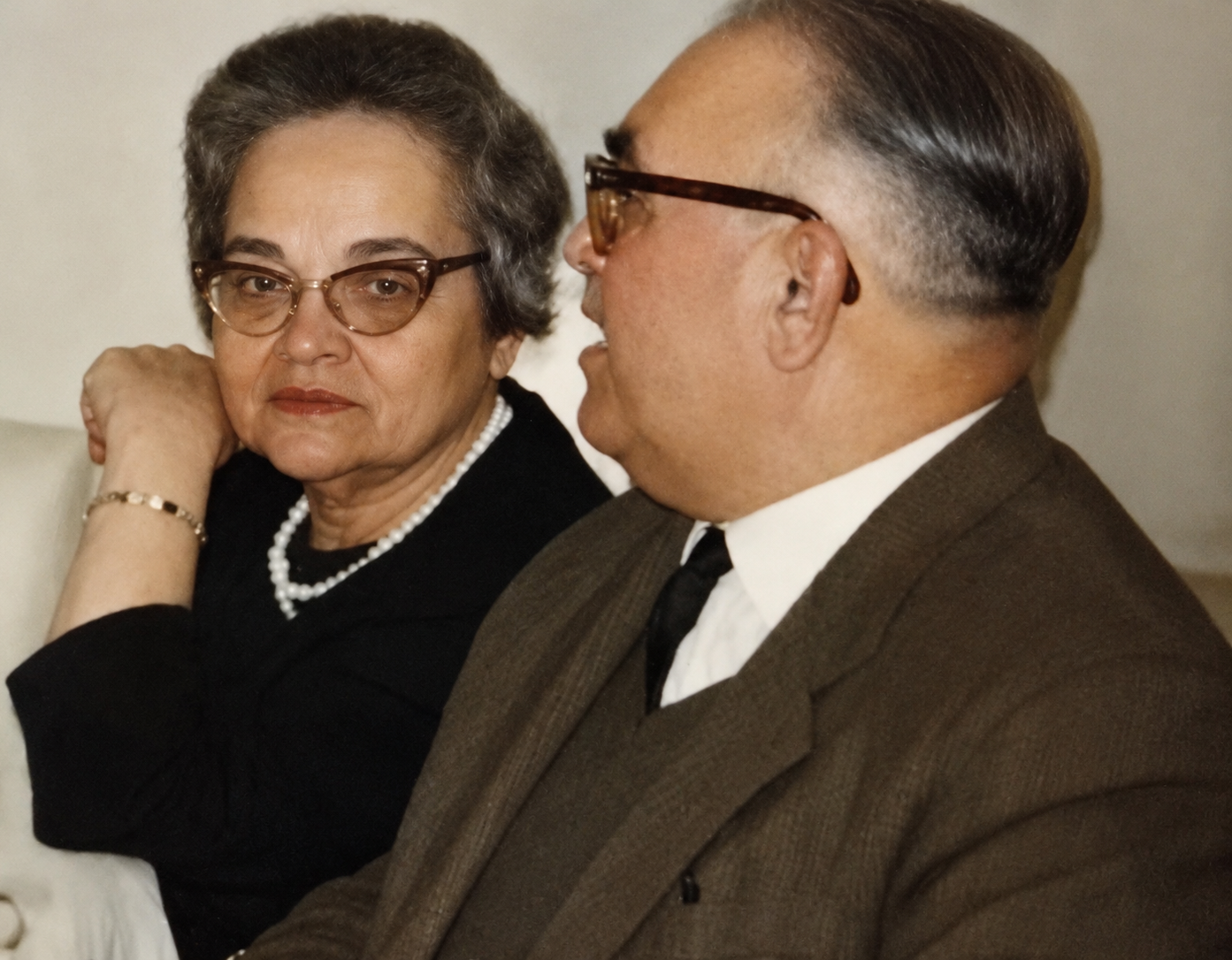
A soft spoken man with a calm demeanor, he shared stories that contained no triumphalism or patriotic flourishes. Instead, despite his apparently more comfortable life, his stories revolved around uncertainty, exhaustion, fear, and the countless accidents upon which survival often depended The Asia Minor campaign remained especially vivid in his memory. Even decades later, he could recall the names of Anatolian towns through which his unit had passed and would describe the gradual realisation that the campaign was heading toward disaster. What struck me most, however, was his willingness to acknowledge the suffering inflicted by all sides. He spoke not only of Greek losses and atrocities committed against Greeks, but also of brutality and violence perpetrated by Greek forces. He impressed on me the fine line that separates fine ideas from dark inhuman cruelty. Such observations were unusual in the patriotic narratives that still circulated widely in Greece when I was growing up, and I suspect they left a deeper impression on me than I appreciated at the time. During the Second World War, after he returned to Athens from the Albanian front, he moved his young family to his father’s birthplace near Tegea in Arcadia, where access to food spared them the worst of the famine that devastated much of Greece. After the war, his position as a judge made him a target of threats from communist guerrillas during the civil war, reinforcing a tendency toward caution and discretion that remained with him throughout his life. Unlike my paternal grandfather, who sometimes relished argument, He rarely spoke impulsively. He weighed his words carefully and seemed instinctively suspicious of certainty, especially in political matters. As a child, I experienced him as a figure of quiet authority. He never sought attention, yet his presence carried a natural gravitas. Looking back, I suspect that much of what I later came to value in scholarship – the importance of evidence, the need to consider competing perspectives, and a reluctance to reduce complex realities to simple moral certainties – owed something to his example. If my grandmother’s stories taught me that places could survive in memory, and my paternal grandfather’s stories revealed the scars left by conflict, my grandfather Alekos taught me something equally important: that historical events rarely appear as clear-cut to those who live through them as they do in retrospect. Listening to him, I began to understand that history is not only composed of victories and defeats, but also of ambiguities, compromises, and difficult choices.
My maternal grandmother, Maria, came from a well known Cretan family that had settled in Athens in the late nineteenth century. She was very proud of her lineage as the Skordilis family was one of the most prominent aristocratic clans in Cretan history, famous, legend holds, for their Byzantine roots that can be traced back to the Byzantine Emperor Alexios II Komnenos. And although much of that genealogy was lost in the mists of legend, it was considered by her and her brother, Nikos, who I vividly remember as a kindhearted, generous person, an undisputed fact.
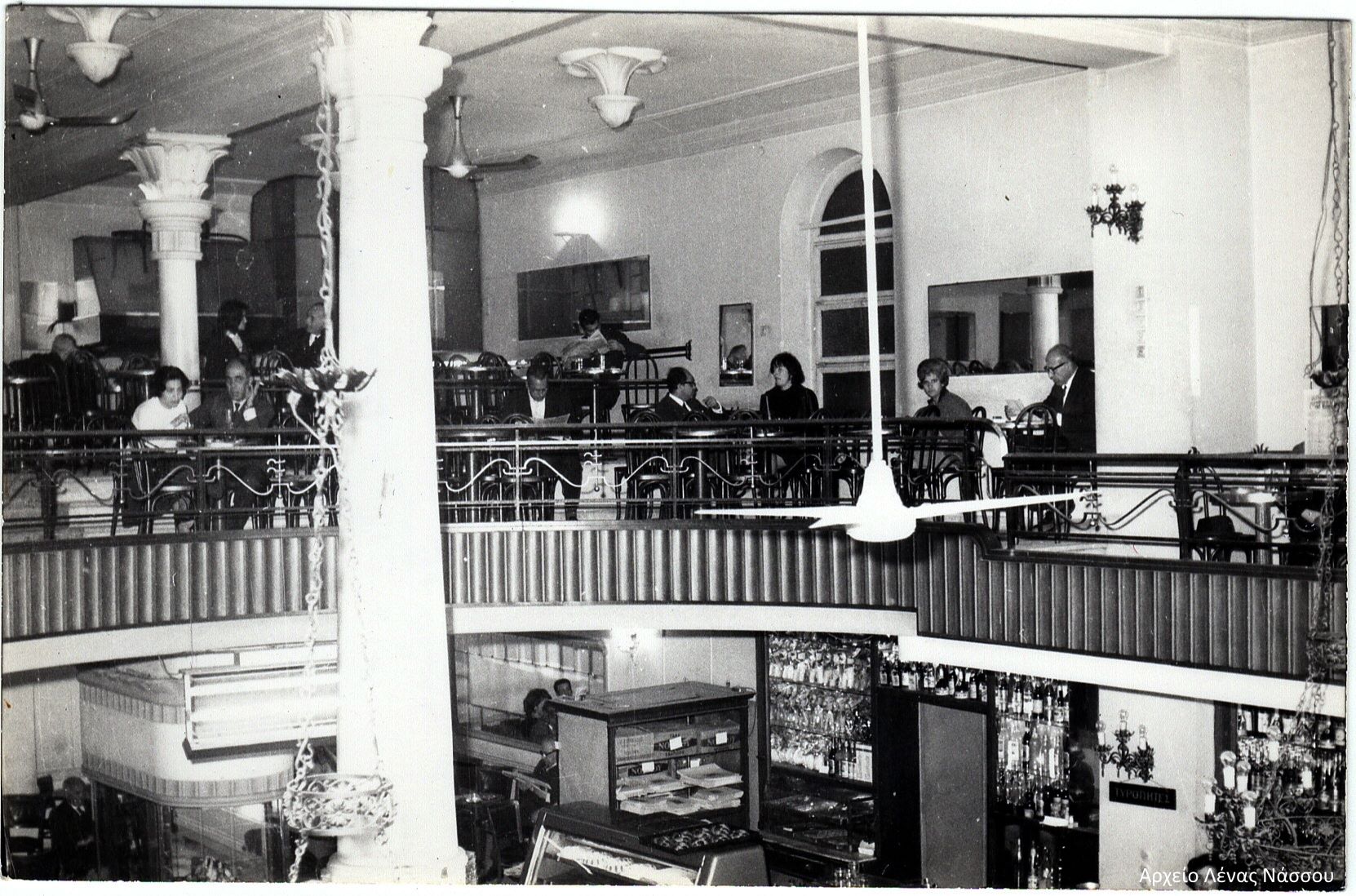
Through my grandmother, I encountered a different history from those embodied by my other grandparents. Whereas they carried memories of displacement, war, and upheaval, Maria connected me to an older Athens, a city that had largely disappeared by the time I was growing up. Her father, Theodoros Skordilis, managed the Ηνωμένα Βουστάσια, one of the capital’s most renowned confectionery cafés and a celebrated gathering place for writers, journalists, artists, and public figures during the early decades of the twentieth century. Although I knew him only through family stories, he occupied an almost mythical place in my imagination. Through my grandmother’s recollections, I caught glimpses of a cosmopolitan Athens that seemed far removed from the congested city of my childhood: a city of cafés, conversation, literary salons, political debates, and public sociability. In keeping with the conventions of the time, my grandmother’s marriage to my grandfather was arranged largely through family networks and expectations. Yet what began as a match founded upon social convention evolved into a remarkably affectionate and enduring partnership. Even decades later, it was impossible not to notice the depth of attachment that existed between them. After my grandfather’s death, my grandmother occasionally spoke of a youthful infatuation with a handsome army officer who lived in her family house neighbourhood when she was a young girl, and who would later become known to Greek politics as Theodoros Pangalos. These recollections were always delivered with a mixture of amusement and embarrassment. There was in them a faint acknowledgement of roads not taken, of possibilities imagined but never realised. Yet they never diminished the profound affection she had shared with my grandfather. If anything, they reminded me that lives are shaped both by individual desires and by the expectations, constraints, and opportunities of their time. Unlike my other grandparents, Maria rarely spoke about grand historical events. Her stories were populated by relatives, neighbours, friendships, misunderstandings, celebrations, and family dramas. Through her I discovered that history was not only made through wars, revolutions, and political conflicts. It was also made through everyday relationships, ordinary decisions, and the countless small acts through which people build meaningful lives.
Looking back, I realise that each of my grandparents offered a different window onto the twentieth century. Through Spyros I encountered Constantinople, occupation, civil war, and the world of craftsmanship. Through Eleftheria I inherited memories of Ayvali, displacement, and resilience. Through Alekos I glimpsed the ambiguities of war, law, and public service. Through Maria I discovered a more intimate history, one composed not of battles and political struggles but of families, friendships, stories, and affections. Together they taught me that the past is never singular. It survives in multiple voices, each illuminating a different part of the same world.
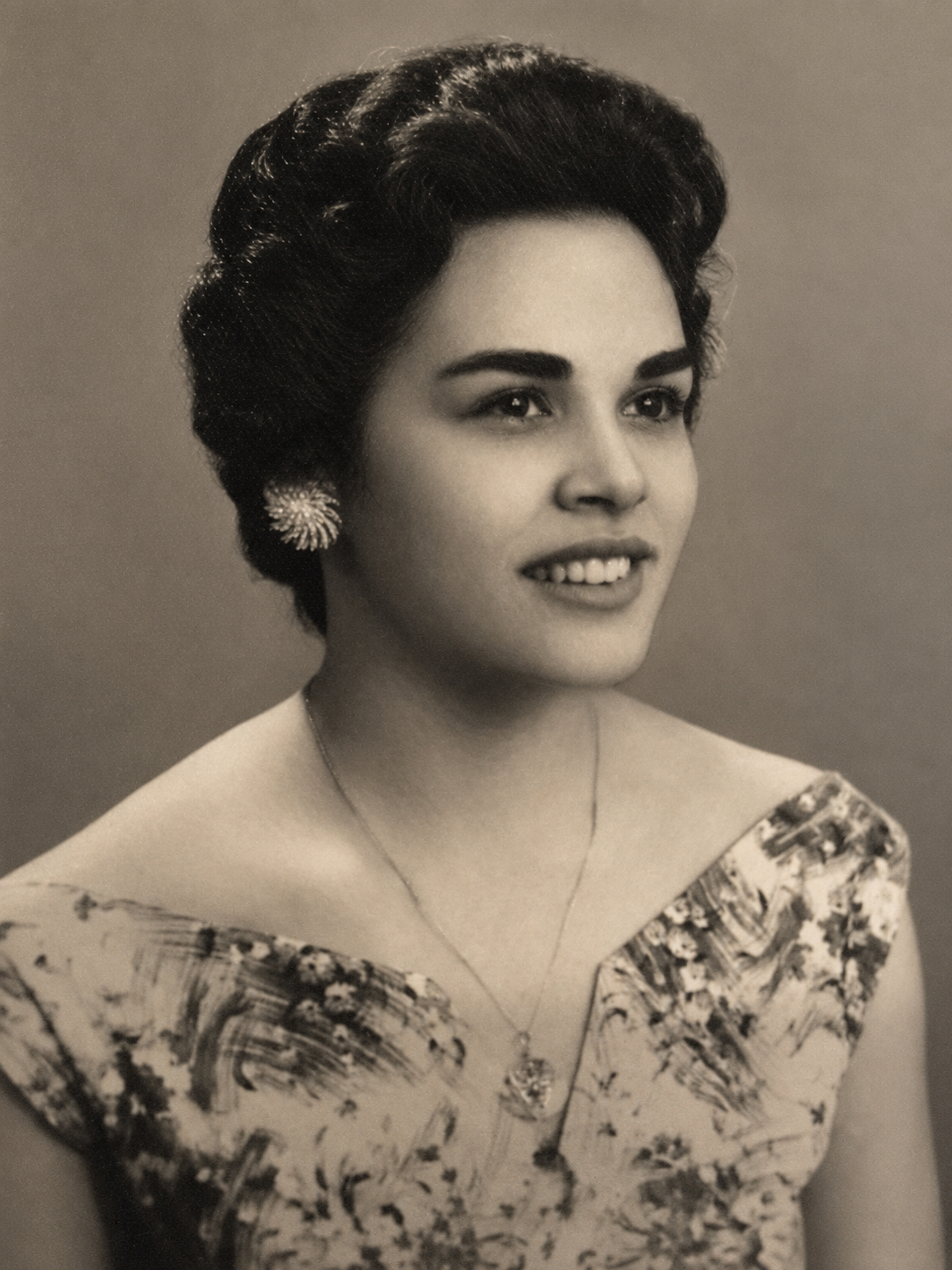
My parents, Tasos and Caty, inherited fragments of all these worlds and carried them into a very different country from the one of theirb parents’ generation. They belonged to a generation coming of age during a period of rapid social and economic transformation, when the horizons available to many were expanding in ways their parents could scarcely have imagined. Education, professional mobility, foreign languages, travel, and engagement with the wider world increasingly became markers of aspiration and possibility. While family stories remained an important presence in our lives, my parents were oriented primarily toward the future.
They were determined that their children would enjoy opportunities that had not been available to previous generations and regarded education as the surest path toward that goal. In different ways, both embodied a confidence in learning, curiosity, and self-improvement that would leave a lasting impression on me. My father brought a love of reading, music, travel, and conversation. He took genuine pleasure in sharing whatever had recently captured his imagination, whether a novel, a historical episode, a political development, or an ambitious travel plan. For him, education and culture were adventures. He approached the world with curiosity and optimism, constantly looking beyond the immediate horizon.
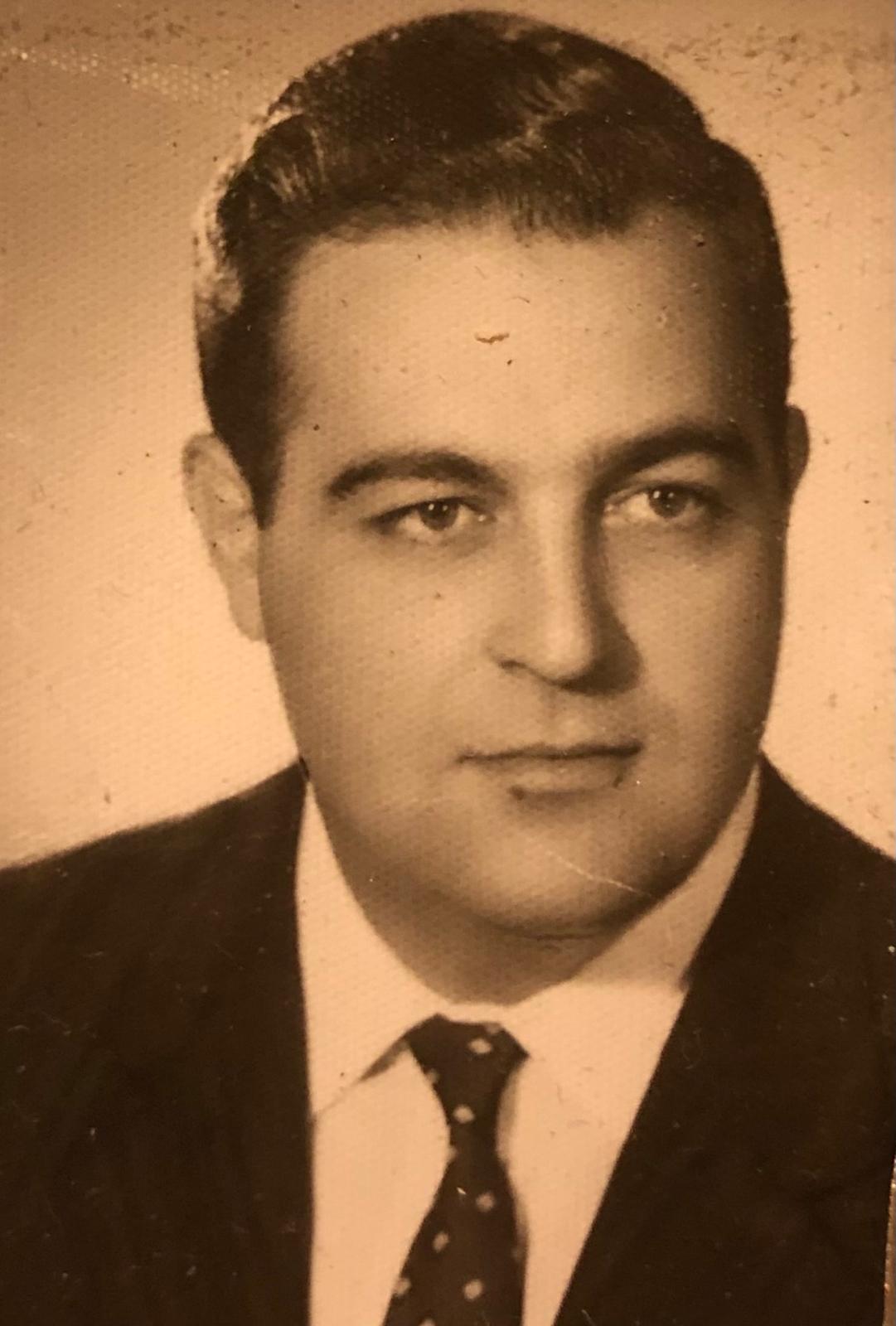
Restless, aspirational, and often unwilling to accept conventional limitations, he possessed a remarkable capacity to imagine possibilities where others saw obstacles. He encouraged us to look outward, to be curious, and to regard the wider world not as something distant but as something to be explored. My mother contributed a profound commitment to languages, education, and culture, but her outlook was different. If my father represented aspiration, she embodied discipline. She viewed education less as an adventure than as a craft requiring patience, structure, and sustained effort. Languages, learning, and cultural refinement were not simply interests; they were accomplishments earned through dedication and hard work. Where my father encouraged us to dream, my mother taught us how to turn ambitions into achievable goals. Together, they created a household in which curiosity was actively encouraged. Looking back, I realise how fortunate I was to grow up between these two complementary visions of education and life. One taught me to look outward and imagine possibilities; the other taught me the value of discipline, persistence, and careful preparation. Much of what I later became owed something to the creative tension between those two influences.
The world I encountered at school both reinforced and challenged the one I knew at home.
I attended a private primary school which, by the standards of the time, was exceptionally well resourced. Beyond the formal curriculum, it offered opportunities to explore music, theatre, literature, visual arts, and foreign languages. Looking back, I realise how fortunate I was to encounter teachers whose enthusiasm extended far beyond the classroom. One was an accomplished poet, others were writers, artists, or theatre enthusiasts who treated education not simply as the transmission of knowledge but as an invitation to curiosity and imagination. They opened windows onto worlds that lay beyond the prescribed curriculum and encouraged us to cultivate interests for their own sake. Yet this was only one side of the educational experience. Alongside these inspiring figures were teachers whose methods belonged to a much older world. Corporal punishment was still commonplace. Some teachers were known for their slaps, others for the wooden rulers they brought down on outstretched palms – sometimes with enough force to break them – and others for making pupils stand for an entire lesson. We feared some of them and laughed about them when they were not around. At the time, none of this seemed particularly unusual. What struck me only later was how naturally these contradictory approaches coexisted. In the same school one could encounter a teacher who encouraged independent thought and another who regarded obedience as the highest educational virtue. As a child, I accepted this as normal.
My transition to a state secondary school marked a change in environment, though perhaps not as dramatic a one as I had anticipated. There were fewer opportunities for extracurricular activities and less of the cultural enrichment that had characterised my primary education. Yet, in other respects, the contradictions remained surprisingly familiar. Alongside teachers who seemed disengaged from their profession, there were a handful whose influence extended far beyond the classroom. One of them was a religious studies teacher whom many of us regarded as slightly eccentric, if not outright mad. Rather than confining herself to catechism and liturgy, she introduced us to thinkers such as Fromm, Marcuse, and Krishnamurti, encouraging us to ask questions that sat uneasily within the boundaries of conventional religious instruction. At the time, we often failed to appreciate what she was trying to do. Looking back, I realise how unusual, and perhaps courageous, her approach was. Equally important were history and literature teachers who treated their subjects as living conversations rather than bodies of knowledge to be memorised for examinations. They encouraged us to think, question, and occasionally disagree.
One of the few activities at my senior high school that exceeded the strict adherence to the state imposed curriculum and which I took an interest in was debating. One experience from my final years at school has remained with me. During a debating exercise, I was assigned to defend the superiority of religion over atheism and agnosticism. Although my own sympathies lay much closer to the latter position, I threw myself into the task and, by most accounts, performed rather well. Yet I remember feeling distinctly uncomfortable afterwards. It was perhaps my first encounter with the distinction between constructing a persuasive argument and believing in it. The experience taught me something about rhetoric, but perhaps more importantly it left me with a lasting awareness of the distance that can sometimes separate conviction from performance.
Outside the classroom, my world remained relatively modest. I had a small circle of close friends with whom I shared many of the concerns, ambitions, and insecurities of adolescence. We spent time talking, listening to music, playing basketball, and trying to make sense of a rapidly changing world. I loved the game, although my enthusiasm exceeded my physical attributes and any realistic prospect of sporting excellence. Much of my intellectual life unfolded through reading. I moved somewhat indiscriminately between literature, history, biography, philosophy, and whatever else happened to capture my imagination. Kazantzakis, Seferis, Steinbeck, Camus, Whitman, Kerouac, Sagan, Fromm, Marcuse, and Poulantzas (my first introduction to Marxist thought) all entered my life during these years, not as part of any systematic intellectual project but as fellow travellers in an increasingly wide-ranging exploration of ideas. Reading provided a way of venturing beyond the limits of my immediate surroundings and discovering worlds that were distant in time, place, and experience. The political transformations taking place around me undoubtedly shaped these years, though not through direct activism or partisan engagement. Politics remained present in the background of everyday life, in newspapers, television broadcasts, family conversations, and the debates accompanying Greece’s democratic transition. I listened more than I participated. The questions interested me before the answers did. Looking back, I see these years less as a period of political formation than of intellectual awakening. I was not yet committed to a particular ideology or academic discipline. What united my interests was a growing curiosity about history, politics, literature, and the ways people made sense of their lives and societies. The questions arrived long before I possessed the tools to answer them.
By the time I finished high school, I was already deeply interested in history, politics, and society, even if I had not yet imagined turning those interests into a profession. Much of my intellectual life had developed through reading rather than through any clear academic plan. Literature, history, philosophy, and social thought fascinated me, though I approached them as an interested reader rather than a future scholar. Like many students of my generation, I nevertheless planned to study economics without admittedly having a clear idea of what the discipline entailed. The choice reflected a mixture of interest in understanding markets, economic decisions, development and inequality, and the absence of meaningful career guidance rather than any overriding passion for the discipline. Looking back, I suspect I was searching for a field that would help me understand the social and political transformations taking place around me, even if I had not yet articulated the question in those terms.
By a stroke of luck, I was admitted to Panteion University, where I enrolled in political science and international studies. Looking back, it is difficult to imagine a more suitable destination for someone carrying the mixture of interests, questions, and half-formed curiosities that had accumulated throughout my adolescence. Although I had initially planned to study economics, my intellectual interests had increasingly gravitated towards history, politics, and society, even if I had not yet imagined turning those interests into a profession. My undergraduate years coincided with a period of profound political and cultural transformation in Greece. I had only recently started to actively engage in politics, participating in activities and discussions within the Eurocommunist and renewal left at a time when the restoration of democracy was still relatively recent, and the country’s institutions, political culture, and relationship with Europe were being actively renegotiated. The electoral victory of PASOK in 1981 had brought new social groups, political languages, and aspirations into public life, while old certainties and hierarchies were increasingly being questioned. Politics was not something that existed at a distance from everyday life; it permeated public debate, the media, workplaces, universities, and family conversations. At Panteion, I encountered a generation of scholars who combined intellectual rigour with a commitment to understanding the rapid changes taking place around them. Under their guidance, I studied politics and international studies alongside history, law, economics, sociology, and political theory. What excited me was not any single discipline but the possibility of moving between them. Questions that had emerged through family stories, my reading, and the observations of an attentive but not particularly political teenager suddenly acquired conceptual frameworks and analytical vocabularies. Subjects that I had previously approached through curiosity and intuition could now be examined systematically. The classroom often extended into cafés, student gatherings, and endless conversations that continued long after lectures had ended. Ideas and arguments were shaped through discussions, and debates. The relationship between Greece’s past and future seemed unusually open to debate. Looking back, I realise how fortunate I was to come of age intellectually at a moment when Greece itself appeared to be engaged in a process of collective self-examination but also situating itself in broader regional and international contexts. Questions about democracy, social justice, national identity, Europe’s future, and Greece’s place in the wider world were not merely academic concerns; they were being debated with unusual intensity across society. For a student interested in politics, it was an extraordinarily stimulating environment. Many of the questions that would later shape my academic work – about political mobilisation, collective identities, memory, belonging, and the construction of “the people” as a political subject – were already visible, albeit in embryonic form, in the political transformations unfolding around me. Panteion not only introduced me to these questions but also provided the intellectual tools with which to pursue them.
By the time I graduated, finishing second in my class in 1985, I knew that I wanted to continue exploring the questions that had captivated me during my undergraduate years. Greece, however, offered relatively limited opportunities for postgraduate study in the social sciences at the time. I therefore attended an informal graduate seminar in political sociology at Panteion University. Political sociology immediately felt like an intellectual home. It provided a language for thinking about many of the issues that had fascinated me as a reader and student: political mobilisation, ideology, collective identities, social movements, power, and the relationship between individual lives and larger social transformations. For the first time, interests that had developed through everyday experience, reading, observation, and undergraduate study began to coalesce into a more coherent set of questions.
A NATO-funded fellowship subsequently brought me to the University of Kent in Canterbury, where my research focused on populism as a social movement. If Panteion had opened a door, Kent felt like stepping into an entirely new intellectual universe. I often describe those years as feeling like a child in a candy store. Suddenly I found myself surrounded by an extraordinary range of ideas, disciplines, and perspectives. I attended postgraduate courses in political sociology, social anthropology, and politics, immersed myself in critical theory in its many variants, explored psychoanalysis – far beyond the familiar confines of Lacan – and engaged with both mainstream and heterodox traditions in political and social thought. For someone whose intellectual interests had always tended to spill across disciplinary boundaries, it was an exhilarating environment. Looking back, what excited me most was not the acquisition of specialised knowledge but the discovery that there were countless ways of asking questions about society and human experience. Kent encouraged intellectual exploration rather than disciplinary loyalty. The result was not always clarity, but it was invariably stimulating. I became involved in the newly established interdisciplinary programme in Communication and Image Studies and participated in the activities of the Critical Lawyers’ Group, whose members were exploring innovative ways of thinking about law, power, representation, and social transformation. Around the same time, I also began teaching sociology. Life at Kent was not confined to libraries and seminars. During those years I developed a lasting passion for cooking and for cycling, the latter at considerable personal and mechanical cost. I wore out several bicycles and managed to destroy one entirely when a stone wall on Tyler Hill appeared rather more suddenly than I had anticipated. I also discovered that academic life could coexist quite comfortably with political activism. Alongside many others, I protested against a range of perceived injustices, including the first Gulf War and, with equal conviction at the time, the culinary offences committed by Rutherford College. At that time I became involved in discussions about the future of the Communist Party of Great Britain joining one of the constituent groups of the New Times movement that emerged within the British Left.
The collapse of communist regimes across Eastern Europe was one of the defining political developments of my generation. Like many students and young scholars at the time, I followed these transformations with fascination. New political possibilities seemed to emerge almost daily. Societies that had appeared frozen by Cold War divisions were suddenly reinventing themselves. There was a widespread sense that history had accelerated. Yet it was the disintegration of Yugoslavia that affected me most profoundly. Until then, many of the questions that interested me had remained largely intellectual. Yugoslavia transformed them into something immediate and deeply unsettling. Watching a country unravel before my eyes, I found myself returning repeatedly to a question that would remain with me for decades: how do neighbours become enemies? The question was not entirely new. In some ways it echoed stories I had heard throughout my childhood – stories of war, displacement, occupation, civil conflict, and communities divided by political loyalties. Yet Yugoslavia brought these themes into the present. Here was a society whose inhabitants often shared languages, customs, memories, and everyday experiences, yet were increasingly encouraged to view one another as threats. The violence itself was shocking, but what fascinated and disturbed me equally were the narratives, symbols, fears, and aspirations through which that violence became imaginable. As the conflict unfolded, I travelled repeatedly in the region, trying to understand what was happening and why. The more time I spent there, the more inadequate simplistic explanations appeared. Ancient hatreds explained little. Political manipulation explained something, but not everything. Economic crisis, institutional collapse, competing historical memories, and the search for security all seemed to play a role. Most striking of all was the gap between the complexity of people’s lived experiences and the simplified identities that political entrepreneurs sought to impose upon them. Many of the questions that would later shape my academic work emerged from these encounters. I became increasingly interested in nationalism, collective identities, memory, and the political uses of history. More fundamentally, I wanted to understand how people came to imagine themselves as part of larger communities, and why those same processes sometimes produced solidarity and at other times exclusion, hostility, and violence.
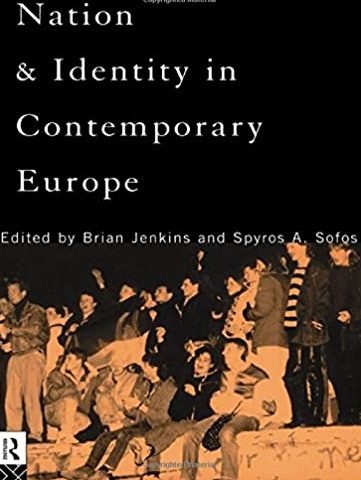
In 1993, I joined the University of Portsmouth as a Research Associate, and eventually a Research Fellow and a Senior Lecturer. There, I worked on a project examining nationalism in Europe, and continued my research on former Yugoslavia and Southeastern Europe which culminated in the publication of Nation and Identity In Contemporary Europe (1996), co-edited with Brian Jenkins. This interdisciplinary work was hailed as an intriguing exploration of nationalism’s role across Europe. Concurrently, I joined and later directed the Mediterranean Research Group, investigating the region’s complexities and Europe’s Mediterranean policies.
During that time, my ability to travel came to an abrupt halt when I found myself unable to renew my passport because I had not enlisted to do my compulsory military service in Greece. What had seemed a distant bureaucratic obligation suddenly became an immediate reality. Until then, I had largely experienced Europe (and beyond) as an open space of movement, discovery, and possibility. Suddenly, my ability to cross borders depended on a relationship with the Greek state that I had managed, rather successfully, to postpone thinking about. Being effectively confined to the United Kingdom made me appreciate a freedom that most of my friends regarded as entirely self-evident. Airports, once associated with excitement and possibility, became places of bittersweet reunions and reluctant farewells. Looking back, I realise that this episode forced me to confront questions that would later occupy much of my academic life: citizenship, obligation, mobility, and belonging. At the time, however, it was experienced far less abstractly. It was simply frustrating, occasionally humiliating, and often sad. The emotional residue of those years still resurfaces unexpectedly whenever I find myself saying goodbye at an airport, though that is perhaps another story.
My plans changed abruptly following my father’s sudden death. His loss brought to an end not only a cherished relationship but also a period of my life that had been defined by intellectual exploration, travel, and the assumption that the future remained largely open. In its aftermath, I decided to return to Greece to complete my compulsory military service, taking advantage of recently introduced legislation that allowed those of us who had postponed our obligations while living abroad to regularise our military status.
Not by design, this decision brought me to the place of origin of my maternal grandmother. My military service began at the 547th Infantry Battalion, a training camp a mere thirty minutes walk from Rethymno and fifteen minutes from the village of Atsipopulo in northern Crete, places where my grandmother’s parents hailed from. Informally, it was known as an “AAA” camp because it brought together an unlikely mixture of recruits: young men classified as illiterate, conscripts who had failed to report for duty, and “returnees” like myself, who were considerably older than the average recruit and had spent years studying or working abroad.
The camp turned out to be a far more interesting social world than I had anticipated. Among the returnees were academics, architects, filmmakers, musicians, and professionals from a remarkable range of backgrounds, all of whom had interrupted lives already established elsewhere in order to resolve an unfinished obligation to the Greek state. At the same time, we trained alongside men whose life experiences could not have been more different from our own. The camp became an unexpected space that introduced me to aspects of contemporary Greece, bringing together people who would otherwise have been unlikely ever to meet.
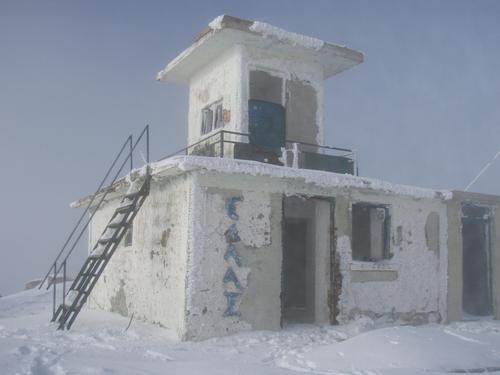
The majority demographic of the camp was comprised by18-year-old conscripts who had not completed their mandatory schooling while the third major group were the returnees (mainly people of Greek origin from the former Soviet Union “returning” to a ‘homeland’ that they barely knew but was promising them a passport and citizenship of a European Union member state). The officers and petty officers of the camp included a few “motivated” recent military academy graduates who had a reputation or the ambition of “breaking” the new recruits, several corporals specializing in thump sessions incorporating completely meaningless tasks to maximize psychological exhaustion alongside physical fatigue like digging holes and refilling them, or carrying rocks up a slope only to be told to bring them back. I remember the captain of my unit running alongside those of us who were older, trying to force us to repeat slogans about Macedonia being Greek, and about Pontus, Asia Minor, and Northern Epirus. He did this knowing full well that most of us were actively resisting. My next and final posting was to a snow-buried mechanized infantry battalion camp in the northernmost part of Greece, in Evros, where the borders of Greece, Bulgaria and Turkey meet.
After my earlier posting in a camp away from the border, in a well preserved town with a notable Ottoman heritage this transfer felt somewhat surreal. Back in Rethymno, for most of the camp personnel, conscripts and officers alike, Turkey was a remote reality, often viewed through an orientalist lens. Many of the young officers who were tasked with our training, I later discovered, were active in local campaigns calling for the demolition of the Ottoman-era minarets that still punctuated the skyline of Rethymno. They argued that these monuments represented an aesthetic and cultural dissonance within a Greek city. Listening to these discussions, I did not need being reminded that landscapes are never simply physical spaces. And there I was serving in a place so rich in terms or histories, memories and absences witnessing the expression of such strong emotions as the traces of one past were experienced by some as an affront to another. Whereas in idyllic Rethymno, life was punctuated by double shifts, sentry duties, intense physical training, long marches, weapons training, and thump sessions, Evros was markedly different. There were sentry and remote guard duties, minefield clearing, night marches but then, there were quiet frozen winter nights, the only distraction being music from Edirne’s radio stations just on the other side of the border and the company of the books of Jorge Luis Borges, Italo Calvino and Tom Robbins – a rare luxury as they were not competing with my time with work-related reading and writing. The officers and conscripts there had a different view of Turkey – the Kastaniés/Pazarkule border crossing was only ten minutes away and Edirne a mere ten minutes further. After all, sharing a border with Turkish soldiers on the other side, who looked remarkably alike us, and whose days were unremarkably tedious just like ours, listening to the radio from across the border playing the same music we would listen to if only there were reliable signal from the Greek radio stations, demystified for most the idea of the border as an impenetrable wall. The Turkey everyone saw and lived with in the area was as ordinary as the Greece we experienced day in and day out. And the landscape of Thrace knew no border as almost nothing could betray the reason for the line we, on both sides of it, were tasked with guarding. The church bell towers on our side and the mosque minarets on the other blended with it, without asking questions about the ethnicity of the soil they were rooted on.
Although one could assume that my interest in Turkey was related to that garrison posting, the fact is that this had its origins in the early eighties when I travelled throughout Turkey in the aftermath of the brutal coup d’état headed by General Kenan Evren which prompted me to take Turkish studies as part of my first degree. A more personal reason for that “first” encounter with Turkish society and its complexities was my decision to explore the origins of my paternal grandparents, in İstanbul and in the Aegean coast town of Ayvalık.
Returning to Portsmouth, I resumed my academic career and helped establish the Centre for European Studies Research (CESR), which became a hub of excellence in European and international studies. In 2000, I moved to Kingston University, where I launched and directed a flagship MSc in International Conflict for six years. Initiating the MSc programme was one of the most rewarding experiences in my career; devising a host of new courses that interrogated the notion of conflict, examined the intersection of conflict processes with identity formation/subjectification, political economy, the construction of insecurity, explored conflict transformation next to other forms of conflict management and regulation, developing an extensive extracurricular programme in partnership with major organizations working on peacemaking and human rights was an unforgettable journey as was the opportunity to meet consecutive cohorts of students from all over the world. At Kingston, I also worked to bring the Vane Ivanovic library with its unique collection of rare books and correspondence related to former Yugoslavia to the university and co-founded the Helen Bamber Centre for the Study of Rights, Conflict, and Mass Violence. While at Kingston, over several years, I also taught at the University of Siena every Spring Term as member of the faculty of the Siena MA in Human Rights and Humanitarian action. That opportunity allowed me to encounter many motivated students and committed colleagues, get a feel of a very different educational system and fall in love with the city and the region.
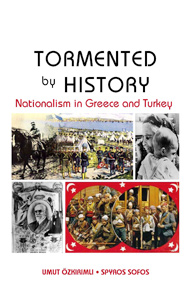
In 2008, I co-authored Tormented by History: Nationalism in Greece and Turkey, the first comparative study tracing the rise of nationalism in both countries over the past 200 years. The book challenged prevailing assumptions and was praised as a remarkable collaboration between intellectuals from two historically rival nations. Translated to Greek in the same year as Το Βάσανο της Ιστορίας: Ο Εθνικισμός στην Ελλάδα και την Τουρκία and to Turkish in 2013 as Tarihin Cenderesinde: Yunanistan ve Türkiye’de Milliyetçilik it was described as a most impressive text, drawing together, and in a very fluent and integrated way, the histories and debates on nationalism in Greece and Turkey. […] and a remarkable example, too rare in this world, of collaboration by intellectuals from two rival states and also, given the sensibilities involved, a most courageous and valiant intervention by the late Fred Halliday. Tormented by History represents for me a journey of discovery; an attempt to peer underneath the narratives that Greek and Turkish nationalisms share and which have divided people, territories, and memories and to piece together fragments of repressed narratives and memories that have been contesting the divisive languages of nationalism, affirming that the human landscapes that the two societies have traversed are not so different after all.
By around 2010, however, the ambition that had sustained innovation within my department at Kingston University had begun to reach its limits. The central contradiction of the marketised university that Kingston had embraced uncritically seeking to secure its future through buildings, branding, and consolidation while treating the academic communities that gave it value as costs to be contained was affecting morale and aspiration.The university had invested heavily in imposing new buildings, often at the expense of the academic community that gave the institution its purpose. Student numbers were becoming increasingly unpredictable, financial pressures were mounting, and the institution struggled to reconcile its obsession with its self image with its commitments. The response was restructuring. Departments were reduced in number, staffing levels came under pressure, decision-making moved further away from the academic units in which teaching, research, and intellectual life actually took place. Under a new Vice-Chancellor, the atmosphere changed markedly. The achievements of our faculty, built over many years through commitment, initiative, and collegial labour, seemed to carry little weight within a managerial vision that valued consolidation, centralisation, and cost control above the fragile ecosystems that make academic work possible. For me, this was a sobering experience. It revealed how quickly an intellectually vibrant environment could be weakened when institutional ambition became detached from the people whose work sustained it.
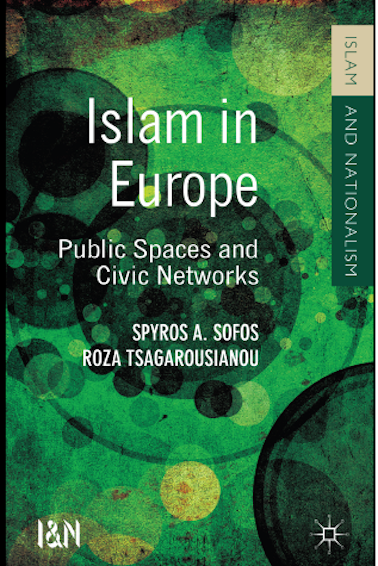
A year later, I joined Lund University’s Centre for Middle Eastern Studies, where I would spend the next decade as Lecturer, Research Coordinator, and later a member of the Centre Steering Group. The contrast with the institutional environment I had left behind could hardly have been greater. The Centre was exceptionally well resourced, deeply international in outlook, and committed to intellectual innovation. It attracted scholars and students from across the world and encouraged experimentation, interdisciplinarity, and collaboration rather than managerial conformity. In many respects, it represented one of the university’s most outward-looking and internationally engaged environments, embodying a vision of higher education that placed intellectual ambition, rather than institutional branding, at its centre. The move proved transformative. During my years at Lund, I completed a multi-country research project on European Muslim identities involving fieldwork in five European countries, culminating in the co-authored volume Islam in Europe: Public Spaces and Civic Networks (2013), which was described by Jørgen S. Nielsen as “a valuable pointer to future lines of research … taking the reader beyond analysis of society and politics … focusing on the complex and tense field of the conceptual.” My research interests also expanded to encompass authoritarianism, social movements, and the political sociology of sovereignty looking at the cases of non state actors as al-Qaeda and ISIS, quasi state actors such as the KRG and later Rojava and states like Lebanon and Iraq, while a project on political polarisation and democracy secured international funding. Alongside my work at the Centre, I taught regularly in the Human Rights Summer School of the Swedish Research Institute in Istanbul and held an adjunct lectureship in the Joint Faculties of Humanities and Theology, where I taught extensively on the undergraduate programme in Arabic and Middle Eastern Studies.
Living and working in one of Sweden’s oldest university towns was an enriching experience, not least because it offered a strikingly different academic culture from the increasingly marketised environment I had known in Britain. The international MA programme in Middle Eastern Studies brought together students from an extraordinary range of countries and intellectual traditions, creating a classroom in which comparison, disagreement, and dialogue were taken for granted. Looking back, I recognise how formative those years were, both intellectually and professionally. It is therefore with some sadness that I now observe signs that the neoliberal pressures reshaping British universities have begun to make themselves felt in Sweden as well, although during my time at Lund they remained largely at bay.
In 2020, I completed my PhD in Politics, Cross-Cultural and Regional Studies at the University of Copenhagen, bringing together many of the themes that had preoccupied me over the previous two decades. By then, my research interests had increasingly converged around nationalism, populism, political identities, and the changing place of Turkey within regional and international politics. Returning to the United Kingdom in 2021, I joined the Middle East Centre at the London School of Economics. Although my appointment was relatively brief, the Centre proved to be an intellectual oasis within a large and often fragmented institution. It combined an unusually collegial atmosphere with a remarkable concentration of scholars working across the Middle East, North Africa, and the wider Muslim world. Conversations flowed easily across disciplinary boundaries, seminars became genuine exchanges rather than academic performances, and the Centre functioned as a vibrant intellectual hub in which ideas were constantly being tested and refined. During my time there, I contributed to projects on urban citizenship in the Middle East, Turkey’s foreign policy, and British Muslim youth identities, supported by the LSE Kuwait Programme, the Research and Impact Support Fund, and the UK Foreign, Commonwealth and Development Office through the PeaceRep programme on the global fragmentation of peacemaking and peacebuilding. I also had the opportunity to teach politics and conflict on the MSc programmes in Culture and Conflict in a Global Europe and Theory and History of International Relations. The combination of research, teaching, and daily intellectual exchange made the Centre an exceptionally stimulating place in which to work.
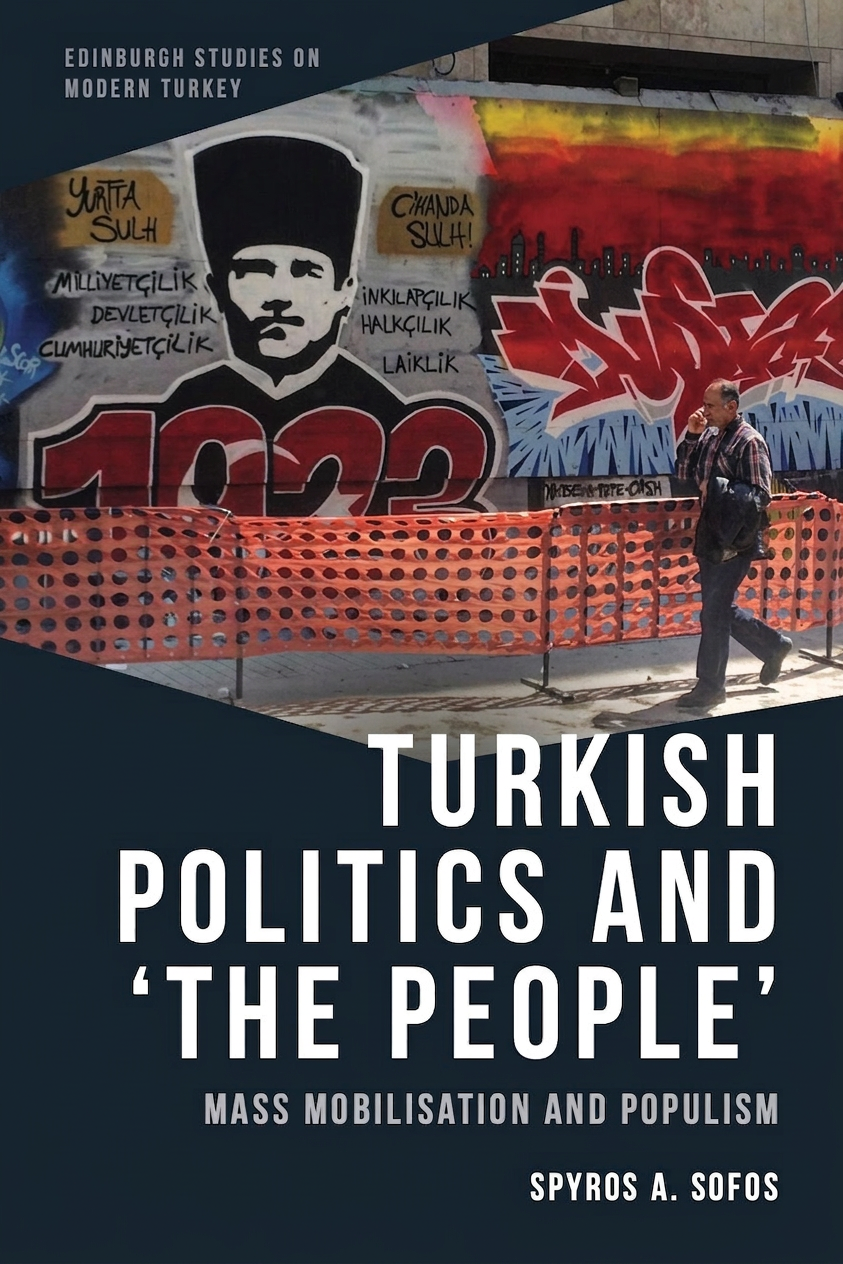
My Turkish Politics and ‘The People’: Mass Mobilisation and Populism, was published in 2022, exploring the evolution of populism in Turkey. Turkish Politics and ‘The People’ develops a discursive approach, uses and integrates modes of analysis from a diverse body of scholarship such as sociology, cultural and psychosocial studies, political science and theory into a genealogical narrative and elucidates the transformations of the notion of the people as a political subject in Turkey. Turkish Politics and “The People” also introduces the contours of an alternative way of approaching populism grounded in post-foundational perspectives. Populism is understood not simply as a political style, ideology, or electoral strategy, but as a broader logic of political construction and world-making. It is premised on the construction of “the people” as a morally privileged, homogeneous, indivisible, and politically sovereign collective subject, imagined as the sole legitimate bearer of rights and political authority. In this perspective, the abstraction of the people is advanced over the liberal abstraction of the individual. Although retaining the antagonistic core of populism articulated by Ernesto Laclau and Chantal Mouffe, this approach argues that anti-elitism, while procedurally and rhetorically important, often obscures a more fundamental anti-institutional bias. Populist practice is marked by suspicion toward institutions and legal frameworks that pluralise voices and positionalities, filter and keep in check majoritarian impulses, and protect individual and particularistic rights, because these are seen as obstructing the authentic will of the people. Populism is thus fundamentally productive: it does not merely mobilise pre-existing constituencies, but actively creates political subjects, boundaries, and horizons of possibility, reshaping understandings of democracy, public debate, governance, and, under certain conditions, regional and international order.
In the three years since moving to Simon Fraser University in Vancouver, I have continued working on populism, nationalism, religion, and the politics of belonging, while also finding myself in an academic environment quite different from those I had previously known. The Department of Global Humanities is unusually broad in its intellectual range, bringing together classicists, historians, scholars of religion, linguists, philosophers, cultural historians, and social scientists. For someone whose own work has long moved across disciplinary boundaries, this diversity has been both stimulating and enabling. The department’s intellectual life is also closely connected to a wider constellation of centres and institutes across the university. The Stavros Niarchos Foundation Centre for Hellenic Studies, the Institute for the Humanities, and the Centre for Comparative Muslim Studies have provided important spaces for collaboration, public engagement, and interdisciplinary exchange. My involvement in these spaces – through the Steering Committees of the SNF Centre for Hellenic Studies and the Centre for Comparative Muslim Studies, through the Woodsworth Advisory Committee of the Institute for the Humanities, and through the Jack and Doris Shadbolt Fellowship in the Humanities Steering Committee – has allowed me to contribute to conversations that extend beyond any single department or field. This institutional setting resonates with the way my own work has developed. My teaching and research at SFU move between Southeastern Europe, Turkey, Islam and the West, nationalism, populism, memory, conflict, and identity. These are not separate areas of interest so much as intersecting ways of thinking about belonging, exclusion, political imagination, and the worlds people make and unmake. SFU has offered me a context in which these crossings feel not like deviations from a disciplinary path, but part of the work itself.

Living and working on the unceded, and in many ways stolen, territories of the xʷməθkʷəy̓əm (Musqueam), Sḵwx̱wú7mesh Úxwumixw (Squamish), səl̓ilw̓ətaʔɬ (Tsleil-Waututh), and other First Nations has also shaped my thinking and practice in ways I could not have fully anticipated before arriving in Vancouver. The settler-colonial context in which Canadian universities operate compels a daily reckoning with histories of displacement, silencing, and structural injustice. It has challenged me to revisit my own work on conflict, nationalism, and historical erasure in Europe and the Middle East, and to ask more carefully what it means to write about the suffering, memories, and political struggles of others. This does not mean drawing easy equivalences between very different histories. It means recognising that questions of land, memory, voice, and belonging are never abstract. They are lived, contested, and institutionalised in particular places. Working here has sharpened my sense that scholarship must be attentive not only to what it studies, but also to where it speaks from, whom it addresses, and whose silences it risks reproducing.
In the three years since moving to Simon Fraser University in Vancouver I have continued working on populism. My ongoing research on populism in contemporary Turkey particularly its interplay with international politics provides a framework for understanding Turkey’s foreign policy within the broader contestation of liberal norms, multilateral institutions, and the very concept of democracy itself, raising crucial questions about the resilience of liberal democracy and the adaptability of the international system in an age of populist ascendancy. This work appears in my book, Turkey, Geopolitics, and the Age of Populist World-Making: Remapping Regional Orders (Routledge, 2026). Focusing on populist understandings of sovereignty in Turkish politics, the book attempts to explore the foundations of Turkish foreign policy during the tenure of the Justice and Development Party. Rather than identifying a causal relationship (populist actors tend to adopt a certain style of international engagement) the book advances a different argument, notably that populism, its antagonistic reflexes and anti-institutional bias, its focus on the unhindered will of the people are not contained within national borders. As such, foreign policy is not a derivative of populism at home but a central aspect of populist discourse and governance as well as a privileged field for its performance. Drawing on case studies including Turkish policies towards the Kurdish issue as a domestic and transnational issue, Ankara’s engagement in Somalia, Syria, Libya and the East Mediterranean, the book seeks to unpack an understanding of the domestic and the international as part of an uninterrupted continuum of populist governance.
My research and teaching navigate the intricate landscapes of conflict and polarisation, delving into populism threading through the varied shades of Islamist and contemporary populist movements. I explore the complexities of nationalism, inter-ethnic relations, and ethnic conflict with a particular lens on Southeastern Europe, yet always through a comparative frame. I am equally drawn to the exploration of Muslim communities within Europe and North America, dissecting their identities and the networks of transnational Muslim politics, all infused with elements of critical theory. My scholarly journey transcends borders, stretching from Southeastern Europe across the Eastern Mediterranean, extending into Turkey, Greece, Cyprus, Iran, and the broader MENA area.
My professional contributions extend to serving on the advisory board of Transconflict, an NGO dedicated to conflict transformation. I have also held the role of chair at the Association for the Study of South Europe and the Balkans. My editorial experience includes positions on the boards of the Journal of Area Studies, Mediterranean Politics, the Journal of Southern Europe and the Balkans, and tenure as editor for the Journal of Contemporary European Studies, a journal that, in 1999, I transformed from an in-house publication based at the University of Portsmouth and Loughborough University into a major interdisciplinary European Studies academic resource.
Alongside my own research, I increasingly found myself drawn to creating spaces for wider intellectual exchange. Between 2012 and 2018, I served as co-editor of Palgrave Macmillan’s Islam and Nationalism book series, working with colleagues from across the world to publish scholarship that examined the complex intersections of religion, nationalism, identity, and political change. A few years later, I sought to extend this commitment beyond conventional academic publishing. In 2019, I launched and became lead editor of the #RethinkingPopulism initiative in partnership with openDemocracy. The project brought together scholars from a wide range of disciplines and countries to rethink populism not simply as a political label or electoral phenomenon, but as a lens through which to understand wider transformations in democracy, political imagination, and collective identities. It also reflected my growing conviction that academic research should not remain confined to specialist audiences but should contribute, wherever possible, to broader public conversations.
In my free time, I read voraciously and write beyond the confines of academic work, exploring ideas, memories, and observations that do not always find their way into scholarly publications. Music has long been a constant companion, and my listening ranges widely across genres and traditions – from classical and jazz to rock, folk, and musical forms from many parts of the world. I cycle extensively, finding in it not only exercise but also a way of experiencing landscapes, cities, and the rhythms of everyday life at a different pace. I am also an enthusiastic traveller and cherish the opportunity to encounter new places, cultures, and ways of seeing the world. Cooking and baking are equally enduring passions. Both combine creativity, patience, experimentation, and attention to detail, and they offer a welcome counterpoint to the abstractions of academic life. This enthusiasm has found an outlet in The Kitchen Sorcerer, a website where I share recipes, baking projects, and reflections on culinary discoveries from my travels and everyday life.
© 2023-2026 Spyros A. Sofos
 spyros a sofos
You must be logged in to post a comment.